
In today’s cloud-driven organizations, establishing an effective cloud governance framework is more than just a best practice—it’s a necessity.
As multicloud environments become the norm, managing the complexity of security, compliance, and cost efficiency is a central concern for both cloud architects and business leaders.
Effective cloud governance is a blend of culture and technology. It helps your organization adhere to regulatory requirements while operating efficiently across cloud platforms such as AWS, Google Cloud, and Microsoft Azure.
At DoiT, we recognize that successful governance isn’t solely about implementing the right tools. It’s about creating a unified framework that bridges teams, enforces policies, and enables visibility across your cloud landscape.
This guide explores what cloud governance is, why it matters, and how to build a framework that delivers on both security and cost efficiency—positioning your organization for long-term success.
Quick answers: Cloud governance
- What is cloud governance?
- Cloud governance is a set of rules, policies, and processes that help organizations manage cloud security, compliance, access, and spending consistently across one or more cloud providers.
- Why is cloud governance important?
- It reduces security and compliance risk, prevents untracked spend, and makes cloud usage repeatable and auditable across teams and accounts.
- What should a cloud governance framework include?
- Core components typically include IAM/RBAC, security controls, compliance guardrails, cost governance (tagging, budgets, anomaly alerts), standardized provisioning (IaC), and continuous monitoring.
What is cloud governance?
Cloud governance is a set of rules, policies, and processes designed to optimize the use of cloud resources while ensuring security, compliance, and cost management.
It serves as a framework to regulate the use of cloud services, helping organizations streamline operations across AWS, Google Cloud, and Azure, among others. Proper cloud governance includes managing infrastructure, automating provisioning, enforcing access control, attributing costs to business segments, and reducing security risk.
DoiT’s cloud optimization tools and expert services can help address governance challenges while improving security, visibility, and cost efficiency.
Why is cloud governance important?
Cloud governance is vital for maintaining control over complex cloud environments—especially in multicloud deployments where cloud resources from different providers must be managed consistently.
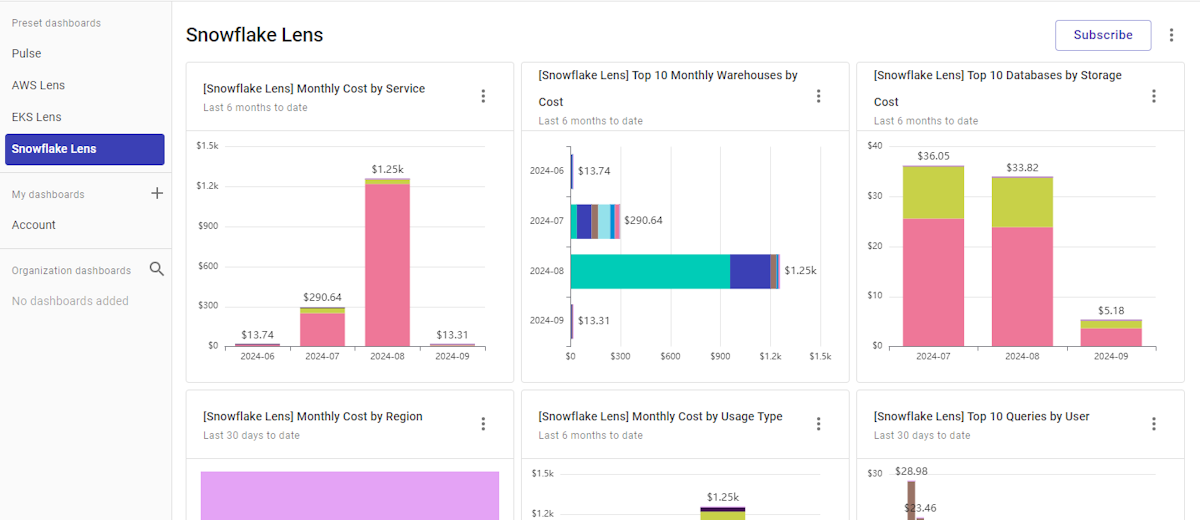
Platforms like DoiT Cloud Intelligence allow users to monitor costs across providers. (Source)
Effective cloud governance helps organizations manage and reduce cloud costs by optimizing usage, monitoring deployments, and setting financial guardrails to avoid unnecessary spend. With regular audits and monitoring, companies can streamline operations and attribute costs across departments to better understand and optimize cloud investments.
For example, an organization may deny deployment of an EC2 instance if required tagging is missing. This ensures resources are tracked for allocation, chargeback/showback, and optimization workflows.
Cloud governance is also critical for security. With cloud services hosting sensitive data and applications, robust provisioning and IAM policies reduce the risk of data breaches and unauthorized access by enforcing how cloud infrastructure is used.
Because multicloud environments increase operational complexity, monitoring and analytics become essential. They provide visibility into usage patterns, policy compliance, and risk signals so teams can respond faster and automate routine oversight.
DoiT Cloud Intelligence™ helps centralize visibility across accounts so teams can track usage, identify inefficiencies, and enforce policies from a single interface.
5 key principles of cloud governance
To create a solid cloud governance framework, organizations should focus on these core principles.
1. Cloud security
Cloud security is a foundational pillar of governance. It involves safeguarding environments against vulnerabilities, unauthorized access, and data breaches.
Common security controls include encryption, least-privilege IAM, centralized identity, and recurring security audits to protect sensitive data and workloads.
2. Compliance
Cloud governance also ensures compliance with internal policies and external regulatory standards. Organizations must align enforcement with requirements such as GDPR, HIPAA, SOC 2, and industry-specific controls.
Compliance guardrails typically include continuous monitoring, audit evidence collection, and policy enforcement to keep cloud operations aligned with legal requirements.
3. Efficient cloud resource and cost management
Governance frameworks should optimize resource usage by standardizing provisioning, monitoring spend, and preventing waste.
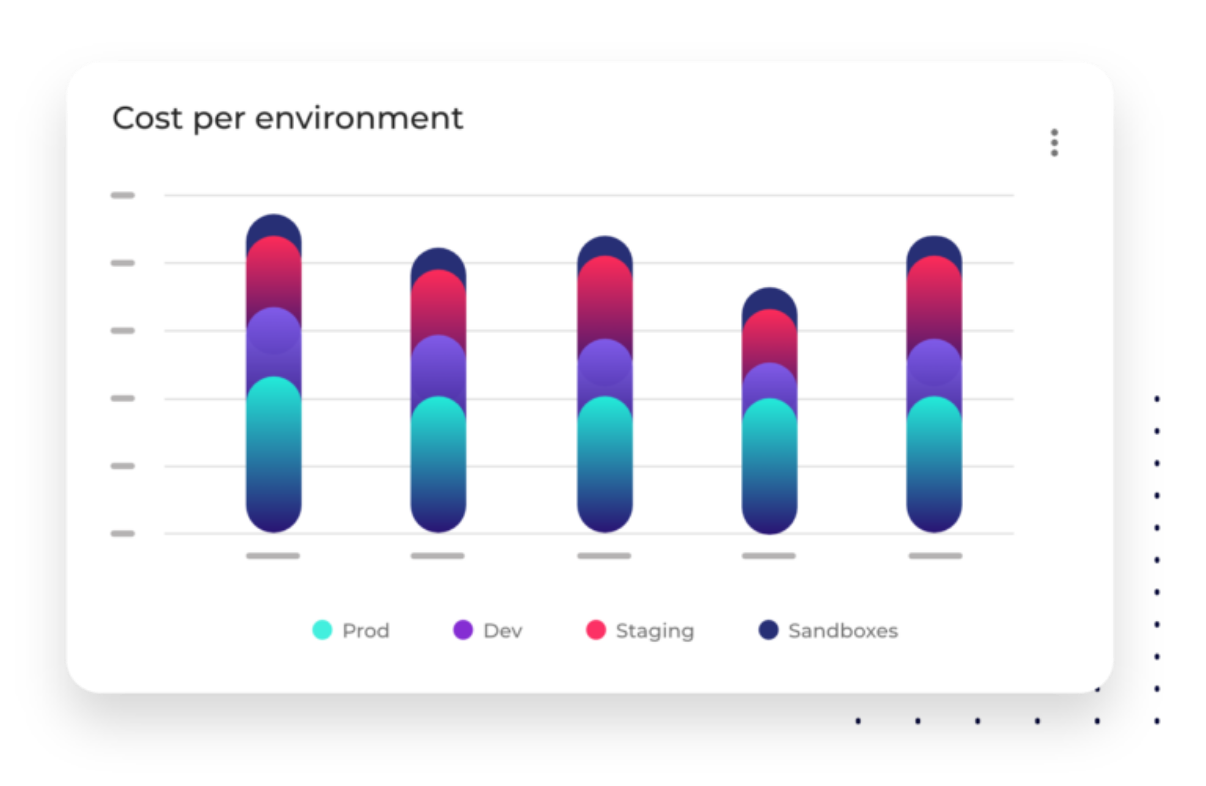
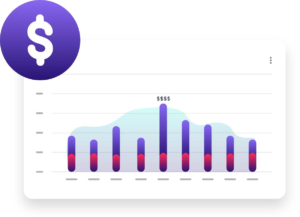
This mockup shows how DoiT’s cloud cost optimization solutions display cloud costs per environment. (Source)
DoiT’s cloud cost optimization services help automate spend management, allocate costs, and improve cost optimization workflows.
4. Alignment with business objectives
Cloud governance should support business goals such as scalability, security, speed, and innovation—not block them.
When governance aligns with business objectives, teams can move faster with less risk and clearer ROI from cloud investments.
5. Identity and Access Management
Identity and Access Management (IAM) ensures the right people have the right access to cloud services and resources.
Role-based identity management helps reduce security risk and supports scalable operations. Finance typically needs visibility and allocation controls, engineering needs secure self-service provisioning, security needs enforcement and auditability, and executives need governance aligned with strategic outcomes.
Building a cloud governance framework
Creating an effective cloud governance framework requires a strategic approach that addresses both technical and cultural challenges.
1. Assemble a cross-functional team
Include stakeholders from IT, security, finance, and compliance. This ensures policies reflect real operational needs while meeting risk and regulatory requirements.
2. Conduct a thorough risk assessment
Identify vulnerabilities and risks tied to data security, regulatory compliance, and cost management. Use the results to prioritize policies and guardrails.
3. Develop comprehensive policies
Create detailed policies covering:
- Identity and access management: Define roles, permissions, and authentication requirements.
- Data classification and protection: Classify data by sensitivity and apply appropriate controls.
- Cost optimization: Set guidelines for allocation, monitoring, and cost reduction.
- Compliance and regulatory requirements: Align controls to applicable standards and audit needs.
- Security controls: Define threat detection, incident response, and ongoing assessment practices.
4. Implement policies with a multilayered approach
Use a combination of native cloud tools and third-party solutions for better visibility and control.
Infrastructure layer: Use infrastructure as code (IaC) for consistent, version-controlled deployments.
Platform layer: Centralize identity management and enforce role-based access control (RBAC).
Application layer: Enforce DevSecOps practices and continuous compliance checks across the SDLC.
5. Implement a monitoring and observability stack
Ensure ongoing adherence to policies by integrating:
- Centralized logging and metrics for real-time insights
- Dashboards for security, compliance, and cost metrics
- Integrations with SIEM and SOAR platforms for enhanced detection and response
6. Create a feedback loop and formal change management process
Establish workflows for approving significant changes and run tabletop exercises to validate incident response readiness.
As your cloud environment evolves, governance must adapt. Training and cloud governance services can help embed best practices across the organization and reduce inconsistent adoption.
Regular audits, real-time monitoring, and analytics (like DoiT DataHub) support ongoing compliance and continuous improvement. Platforms like DoiT Cloud Intelligence™ also provide visibility into cloud operations to track spend and detect inefficiencies.
When you follow the framework above, your org can realize benefits like improved security posture and stronger alignment between cloud operations and business objectives.
3 common cloud governance implementation challenges
Implementing cloud governance isn’t always smooth sailing. Expect some friction early, especially in fast-moving organizations.
1. Shadow IT
Shadow IT—the use of unapproved cloud services and tools—can lead to security risk and surprise costs. Strict access control, standardized provisioning, and clear policy enforcement help reduce shadow IT over time.
A strong example is One Data, a German software company and leader in data product management.
One Data eradicated hidden IT costs using cloud governance tools. With DoiT Flexsave™, the company achieved a 97.5% reduction in time spent preparing financial reports and saved 22% on its AWS compute instances.
By centralizing cloud account management and implementing financial governance measures, One Data regained control over unsanctioned cloud usage and streamlined operations.
2. Scaling governance
As organizations grow, enforcing governance across multiple clouds and teams becomes harder. Each cloud provider has different policy mechanisms, and multi-tenant models add complexity.
A centralized governance approach helps maintain consistency while accommodating provider differences. Automation reduces oversight risk and keeps policies applied as environments expand.
3. Cultural resistance
Teams may resist governance when it feels restrictive. DevOps and cloud-native cultures often see governance as slowing delivery.
Clear communication and targeted training help bridge this gap. Governance should be framed as “safe self-service” that accelerates delivery by reducing incidents, audit churn, and cost surprises.
5 best practices for implementing cloud governance
1. Establish clear roles and responsibilities
Assign ownership across finance, engineering, security, and IT to ensure accountability. For example, designate a cloud financial manager to oversee budget management and cost optimization.
A centralized team should manage RBAC/IAM patterns so access control stays consistent. Application teams can request access through formal workflows that document business justification and least-privilege scope.
To reduce unauthorized access and privilege creep, align access with job functions, review permissions regularly, and update roles as responsibilities evolve. Provide training and tooling so leaders can understand their teams’ usage and make informed decisions about spend and security.
2. Centralize visibility with a cloud management platform
Use a unified platform such as DoiT Cloud Intelligence™ to improve visibility across accounts and services. Centralization helps identify inefficiencies and enforce policies from a single interface.
3. Automate cost management and monitoring
Leverage tools like Flexsave™ and DoiT Anomaly Detection to automate cost controls and detect spikes early.
Monitoring ensures foundational telemetry is enabled (for example, CloudWatch for AWS environments). Automated tagging policies also improve cost allocation by department or project and make optimization easier.
4. Implement strong security and compliance standards
Enforce encryption, identity controls, and regular security audits. Use end-to-end encryption for data at rest and in transit, apply MFA and centralized IAM, and run recurring assessments to validate standards and reduce breach risk.
5. Regularly review and update governance policies
Cloud environments evolve quickly, so review governance every six to 12 months to stay aligned with new services, regulations, and business objectives.
Include IT, finance, legal, and department leaders in reviews. Maintain a clear change process for proposing, approving, and communicating policy updates. Collect feedback from teams that use cloud services daily and incorporate it into continuous improvement.
Cloud governance FAQ
What should be included in a cloud governance framework?
A strong framework usually includes IAM/RBAC, security baselines, compliance controls, cost governance (tagging, budgets, anomaly detection), standardized provisioning (IaC), and continuous monitoring and auditability.
How do you enforce governance without slowing engineers down?
Use policy-as-code, guardrails, and safe self-service. Standardize templates for common deployments, automate approvals for low-risk changes, and reserve human review for exceptions and high-impact actions.
How often should cloud governance policies be reviewed?
Most organizations benefit from reviewing policies every six to 12 months, with faster review cycles for high-change areas like security controls, IAM patterns, and cost guardrails.
What’s the difference between cloud governance and cloud security?
Cloud security focuses on protecting data, identities, and workloads. Cloud governance is broader and includes security, cost controls, compliance, operating standards, and decision-making processes across teams and cloud providers.
Take control of your cloud
Effective cloud governance reduces costs, improves security, and ensures cloud operations align with business goals. DoiT can help you build a cloud governance framework tailored to your organization’s needs.
Ready to implement cloud governance with DoiT? Book a discovery session today and start optimizing your cloud strategy.