

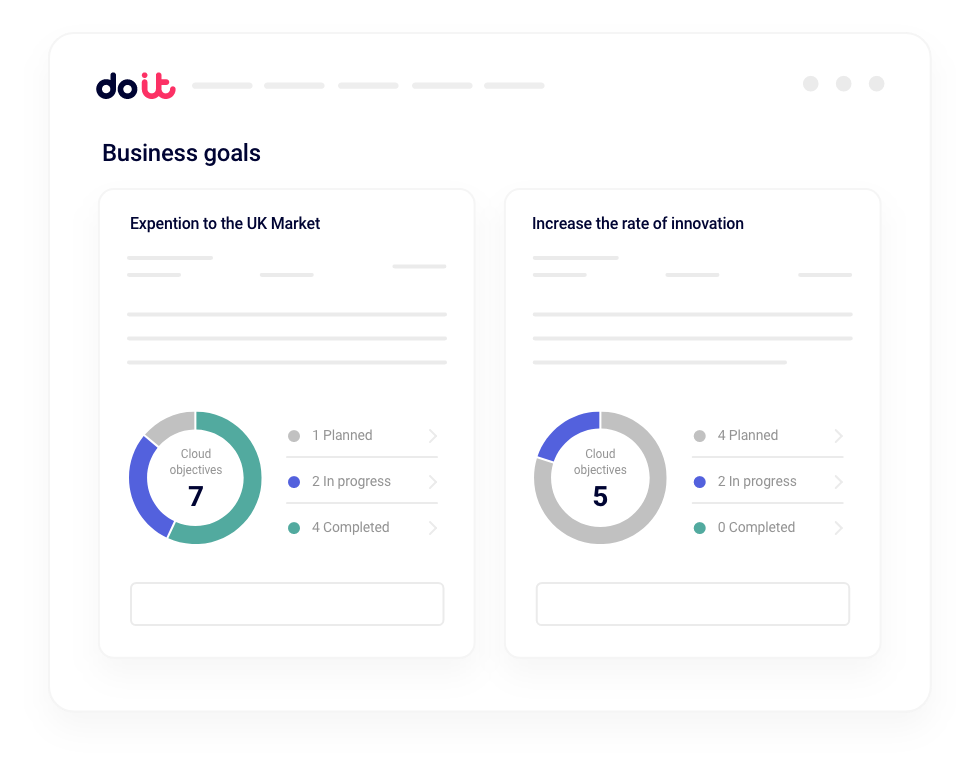
Cloud adoption’s rapid rise has transformed organizational finances, replacing predictable infrastructure costs with fluctuating spending based on usage and architecture choices. This exposes the shortcomings of traditional financial controls that stick to fixed budgets and static line items.
Without proper governance, cloud costs can spiral out of control when organizations can’t identify spending drivers or align costs with their business goals. FinOps takes this challenge and turns it into an opportunity by making cloud financial management a strategic discipline rather than an afterthought. But success still requires a systematic approach beyond simple cost-monitoring tools.
Understanding the need for FinOps in modern finance
The challenge with cloud financial management is that it goes beyond simple cost visibility. Traditional financial processes rely on predictable, straightforward spending patterns, with capacity planning done months ahead of time. Cloud infrastructure, on the other hand, adjusts to real-time demand. This can lead to cost changes that vary month to month, especially for workloads with seasonal traffic patterns.
Several pain points can result from this mismatch. Engineering teams make architectural decisions with limited awareness of financial implications, often choosing solutions that prioritize speed-to-market over more cost-effective solutions. Meanwhile, finance teams struggle to provide accurate budget guidance when they lack visibility into the relationship between business metrics and infrastructure consumption.
Multi-cloud setups add complexity, as each provider has different pricing models and discount structures. A database instance costing $500 monthly on AWS might deliver the same functionality for $350 on Google Cloud, but comparing options creates the need to be familiar with technical specs and regional pricing differences.
Cloud spending also often includes hidden inefficiencies that appear as “utilized” cloud resources. A Kubernetes cluster showing 80% CPU utilization might seem optimized, but workloads processing data inefficiently due to poor algorithm design could reduce infrastructure requirements by 40%–50% through workload-level optimizations.
Steps to develop and implement a FinOps strategy
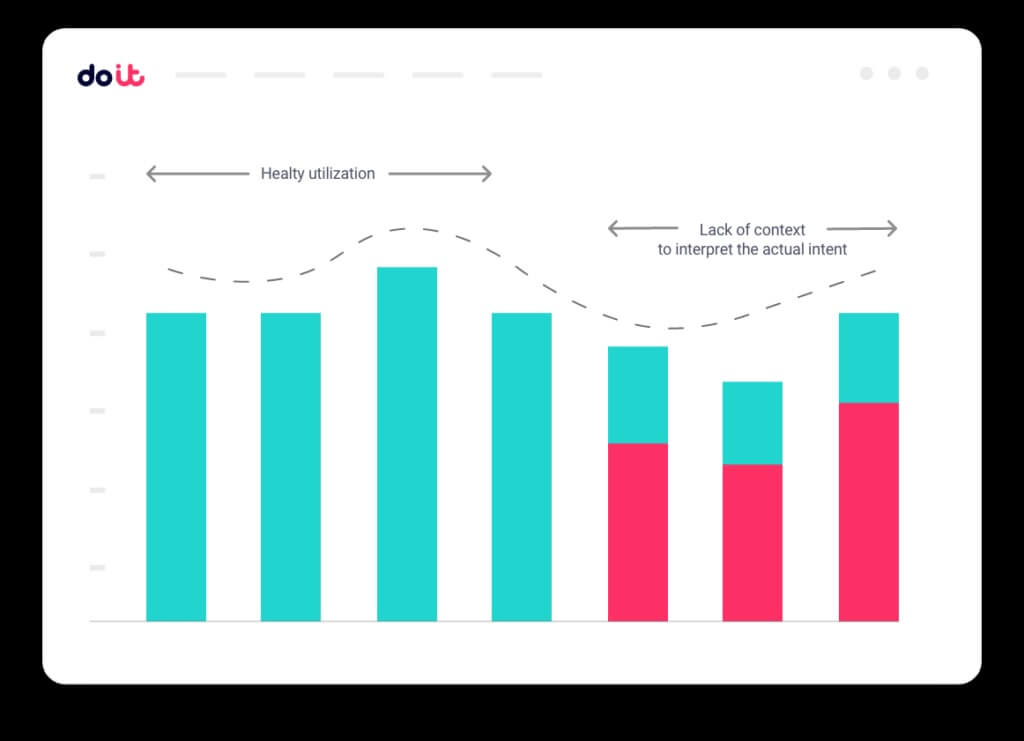
Chart of DoiT FinOps and utilization graph
Building and rolling out a solid FinOps strategy takes a clear plan to ensure financial accountability and make the most of cloud spending. This section covers the essentials.