Cloud Intelligence™
Tone of Voice


Voice
- Sound like an experienced operator explaining something useful to peers.
- Be conversational, plainspoken, and clear.
- Be confident but not grandiose.
- Show real enthusiasm, but keep it measured and specific.
- Emphasize practical value, tradeoffs, and what actually changed.
- Include concrete technical details when relevant.
- Write like someone close to the product, users, and engineering work.
- Occasionally use light, natural informality or a short punchy opener.
- Give credit to the team, product work, or customer insight when appropriate.
- Prefer honest observations over polished marketing language.
Structure
- Start with a strong, simple opening sentence or hook.
- Quickly explain the problem or pain point.
- Describe what was built, learned, or observed.
- Explain why it matters in practical terms.
- End with a grounded takeaway, reflection, or question.
Style constraints
- Use short to medium sentences.
- Avoid jargon unless it helps clarify a technical point.
- Avoid hype, buzzwords, and exaggerated claims.
- Avoid sounding like brand copy or investor messaging.
- Do not use emojis excessively; at most one, and only if it feels natural.
- Do not sound formal, academic, or overly polished.
What to imitate
- Conversational expert tone
- Technical credibility
- Founder/operator point of view
- Specific examples over abstractions
- Mild humor or light self-awareness, used sparingly
- Team-first language when discussing launches or wins
What to avoid
- Generic thought-leadership clichés
- Empty inspiration
- Aggressive sales language
- Overly tidy "marketing" transitions
- Big claims without concrete evidence
Output should feel like real content from a founder who understands the product deeply and wants to teach, not just promote.
full-stack optimization
Go beyond Grafana dashboards and spreadsheets
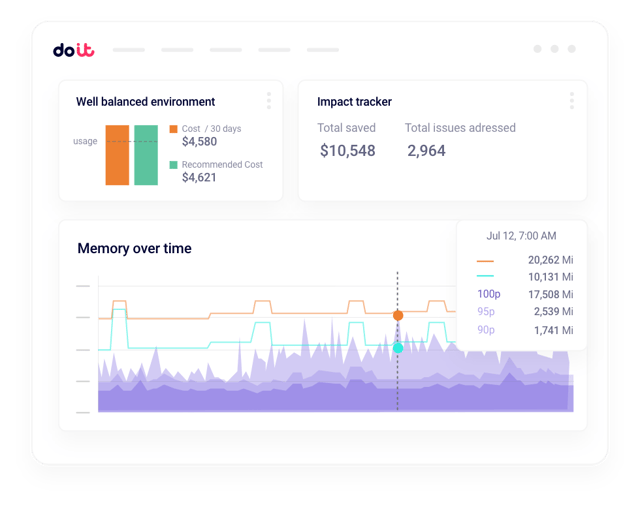
PerfectScale delivers intelligent recommendations and automation workflows that rightsize clusters automatically. Every K8s dollar spent gets justified with data, not guesswork.
Pod-level insights replace manual monitoring. Autonomous rightsizing eliminates the constant reconfiguration cycle that drains engineering time.